Wreath Procurement Handbook + Five‑Step Factory Audit (with Wreath + Garland Pairing)
Artificial wreaths and garlands are high‑volume, visual items where small differences in foliage realism, attachment strength, or packing execution can create outsized cost, compliance, and sell‑through issues. This practical handbook equips retail buyers, importers, wholesalers, and project specifiers to shortlist the right wreath manufacturers, set measurable RFQ expectations, conduct an evidence‑based wreath factory audit, and merchandise cohesive wreath + garland sets that lift conversion. It also includes recommendations for Christmas wreath manufacturers and actionable tips that align with typical lead times and MOQ realities in artificial wreath wholesale.

Quick glossary and materials primer
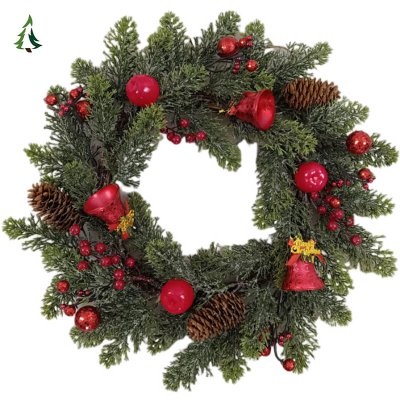
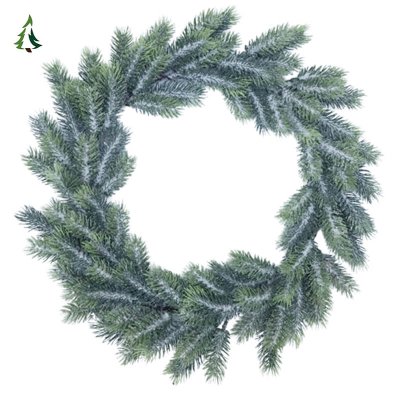
Wreath: Circular ring defined by outer diameter (common retail sizes 40–60 cm). Spec by needle type (PE, PVC, or mixed), tip count, and embellishment density.
Garland: Linear greenery sold by length (e.g., 122 cm, 150–190 cm, or 180 cm standard). Used for mantels, banisters, and door surrounds.
Swag: Asymmetric bundle designed for doors, posts, and lamps.
Materials: PE tips deliver higher realism; PVC is cost‑efficient for fullness. Mixed PE/PVC balances look and value. Pre‑decorated SKUs frequently include pinecones, berries, and optional LED strings.
Objective supplier selection criteria (how to compare apples to apples)
Commercial fit:
Quality and compliance:
Technical documentation:
Performance scoring:
Five‑step factory audit for wreaths and garlands (evidence‑first)
1) Preparation and document review
Collect COI, ISO 9001, latest BSCI/SMETA (if available), product spec sheets, and stamped third‑party test reports (UL/CE/EN and fire‑retardancy where relevant).
Confirm the supplier’s sample retention process. Request retained samples for the SKUs you audit. File scanned certificates and lab reports with visible seals.
2) Materials control and process readiness
Review BOM traceability: polymer tip suppliers, metal wire cores, LED modules, and decorative components. Verify raw‑material certificates with batch numbers and origins.
Check incoming QA logs and in‑line QC checklists for the specific SKU. Confirm inspection frequency, sampling plan, and defect logging discipline.
3) Production floor and product QC
Observe the assembly route and attachment methods (stitch, glue, or weld). Perform quick tensile/attachment checks at random points to catch weak joints.
Require timestamped in‑process photos and retained‑sample evidence labeled as good/marginal/fail. Ensure every fail has a recorded cause and corrective action.
Final inspection: adopt an AQL plan that reflects market norms—Critical: 0 (none allowed), Major: 2.5, Minor: 4.0—plus clearly defined defect categories and pass/fail criteria. This prevents ambiguity during shipment approval.
4) Labor, health & safety, and traceability
Review working‑hour records, payroll, PPE availability, training logs, emergency plans, and fire‑exit access. Verify worker IDs and contracts where required by your compliance program.
Confirm end‑to‑end traceability so that any recall can identify affected batches and their material inputs.
5) Packing, labeling, and shipping control
Validate carton strength, inner protection, and palletization via compression and drop‑test evidence. Confirm carton markings, labels, and barcode accuracy.
Cross‑check the lead‑time proof: production schedule, capacity loads, booking confirmations, and port transit estimates.
File final inspection and packing photos (timestamped). Make sure FOB/CIF and any special terms are explicit in the contract.
RFQs, samples, and supplier shortlist templates
Scorecard fields to standardize comparisons:
RFQ essentials to include per SKU:
Sample request checklist:
Ready‑to‑quote examples you can include as line items in your RFQ to benchmark pricing and lead times:
Note: For buyers seeking recommendations for Christmas wreath manufacturers and recommendations for Christmas branch manufacturers, these models provide an efficient cross‑section to test realism, decoration density, LED integration, and packing quality across suppliers.
Wreath + garland pairing and visual merchandising
Scale and proportion:
Texture and color harmony:
Lighting coordination:
Four retail‑ready combos that drive cross‑sell:
These in‑store plays are proven to boost attachment rate and help position you among the best wreath manufacturers in customers’ minds.
FAQs
What is a typical MOQ? Most Christmas wreath suppliers offer 100–500 pcs bands. Mixed‑carton assortments are commonly negotiable.
Are sample costs refundable? Best practice is a refund on confirmed order; in‑stock samples are frequently free.
What tests matter most? Fire‑retardancy (as applicable), attachment/tensile checks, and UL/CE/EN electrical safety for pre‑lit items.
Should I require third‑party testing? Yes for new suppliers and any electrical products—insist on labs with stamped reports.
How do I compare suppliers fairly? Use a weighted scorecard (quality, lead time, flexibility, certifications, cost) and keep the same criteria each season; it’s also useful for a transparent ranking of Christmas tree suppliers and recommendations for Christmas decoration manufacturers.
Contact and next steps
Shandong Christmas Queen Arts & Crafts Co., Ltd. is a factory producer with 5,000+ SKUs and exports to 36+ countries. For RFQs and samples, contact Chloris at:
Email: sales04@christmas-queen.com
WhatsApp: Chat on WhatsApp
Company address: No.659, West East Industrial Park, Dangjia Town, Shizhong District, Jinan, Shandong, China.
Use the checklists above to streamline supplier onboarding and strengthen your sourcing case notes, especially when presenting recommendations for Christmas wreath manufacturers to internal stakeholders.
References
ISO. (2015). ISO 9001:2015 Quality management systems—Requirements. International Organization for Standardization. https://www.iso.org/standard/62085.html
Sedex. (2022). SMETA Best Practice Guidance (Version 6.1). Sedex Global. https://www.sedex.com/en-gb/resources/smeta/
amfori. (2018). amfori BSCI Code of Conduct. amfori. https://www.amfori.org/en/resources/amfori-bsci-code-conduct
ANSI/ASQ. (2008). ANSI/ASQ Z1.4-2008: Sampling Procedures and Tables for Inspection by Attributes. ASQ. https://asq.org/quality-resources/sampling
UL Solutions. (2020). UL 588: Seasonal and Holiday Decorative Products. UL Standards. https://www.shopulstandards.com
IEC. (2020). IEC 60598-1: Luminaires—Part 1: General requirements and tests. International Electrotechnical Commission. https://webstore.iec.ch/publication/611
NFPA. (2019). NFPA 701: Standard Methods of Fire Tests for Flame Propagation of Textiles and Films. National Fire Protection Association. https://www.nfpa.org/codes-and-standards
The Quality Letter for Healthcare Leaders. (1995). A checklist for certifying suppliers. 2(2). https://www.semanticscholar.org/paper/19fce0b8c730b8bfb86cd6d7f8674c47990db6b2